
Restore a worn or stained pool to a like-new finish — Pebble Tec, Diamond Brite, quartz, plaster, tile, and acid washing.
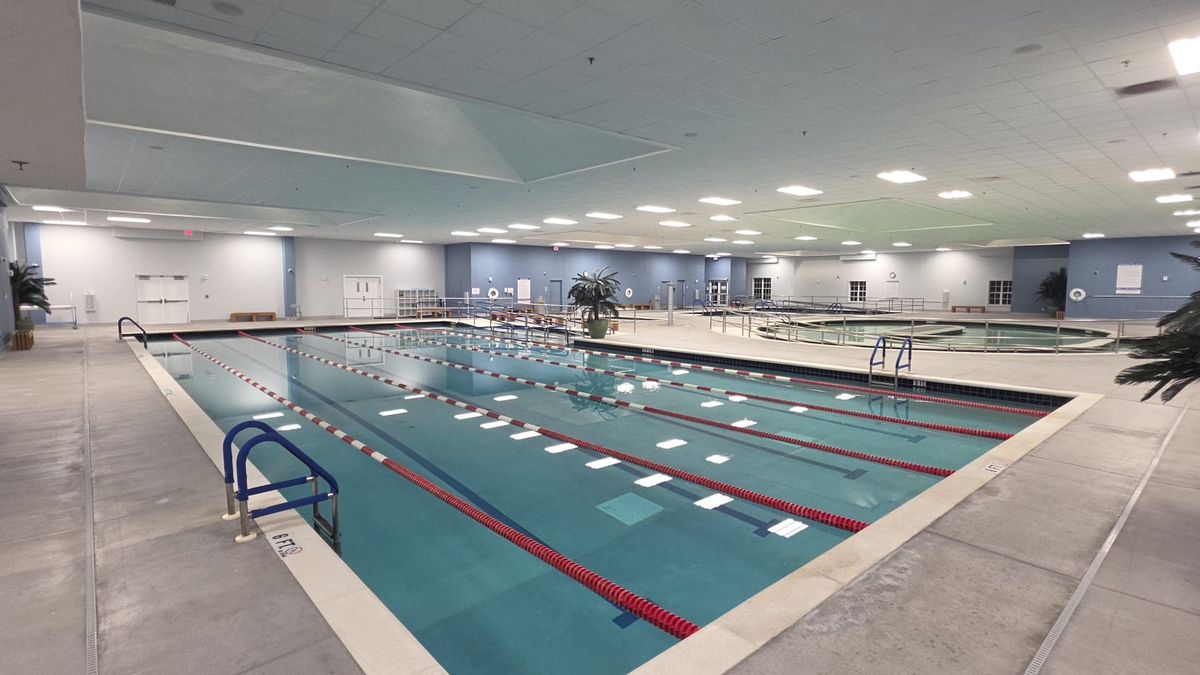
Protect your investment and modernize your pool's look and durability.
A pool surface does not fail all at once. It gets rough underfoot, then it starts holding stains that no amount of brushing removes, then small patches begin to flake or hollow out. In South Florida the clock runs faster than the brochures suggest, because hard water, year-round sun, and saltwater systems all work against the finish at the same time. Resurfacing at the right moment is straightforward work; leaving it too long lets water reach the shell underneath, and that turns a finish job into a structural one.
The honest trade-offs between the three finishes we install most.
The traditional finish and the least expensive to install. Smooth underfoot and easy to repair, but it is the softest of the three — it stains more readily and is the first to show etching from unbalanced water. A sensible choice when budget is the deciding factor or when you plan to sell within a few years.
Plaster reinforced with quartz aggregate. Noticeably harder than plain plaster and far more resistant to staining and etching, with a slightly textured look and a wider colour range. For most South Florida homeowners this is the sweet spot between cost and lifespan.
Natural pebble bound in cement — the most durable option and the most forgiving of imperfect water chemistry. It gives the deep, natural water colour people usually associate with high-end pools. The texture is more pronounced, which some people love and some find rough on bare feet, so it is worth touching a sample before deciding.
A quartz-aggregate system and one of the most widely used finishes in Florida. It sits between plaster and pebble on both cost and texture, holds colour well, and stands up to our water conditions considerably better than plain plaster.
If your pool runs a salt chlorine generator, the finish choice matters more than most people expect — salt is harder on plaster than on quartz or pebble. Our guide on saltwater versus chlorine pools goes into that in detail.
Some of these can wait a season. Others should not.
Rough texture and stubborn staining are wear, and you generally have time to plan. Exposed shell and unexplained water loss are different — those mean water is reaching material that was never meant to be wet, and the sooner that is closed up the smaller the job stays.
You see the scope, the finish, and the price in writing before anything is drained.
The start-up is the part homeowners most often underestimate. A new finish cures while it is in contact with the water, so the brushing and chemical schedule in the first two to four weeks has a real effect on how the surface looks years later. We handle that period rather than handing you a filled pool and walking away — and if you would rather not think about it afterwards either, our weekly pool cleaning takes it from there.
Renovation and resurfacing throughout our 16-city service area.
We resurface pools across Palm Beach and Broward counties, from single-family homes to HOA and community pools. Access matters more on a resurfacing job than on routine service — narrow side gates, screen enclosures, and tight decks all change how material gets in and out — so the on-site assessment always includes checking the route before we commit to a schedule.
Boca Raton · Coconut Creek · Coral Springs · Deerfield Beach · Lauderdale-by-the-Sea · Delray Beach · Boynton Beach · Parkland · Pompano Beach · Margate · Tamarac · Lighthouse Point · Highland Beach · Hillsboro Beach · North Lauderdale · Fort Lauderdale
Most residential resurfacing runs as a continuous project once it starts: drain and chip out, shell repairs, tile and coping if included, the new finish, then refill and start-up. The exact number of days depends on the size of the pool, the finish you choose, and whether tile or coping work is in scope. We confirm the schedule in writing with your quote so you know when the pool goes out of service and when you get it back.
Price is driven by the surface area of the pool, the finish selected, and how much repair the shell needs once the old surface comes off. Plaster is the least expensive, quartz sits in the middle, and pebble finishes are the most. We quote after seeing the pool — a number given over the phone before anyone has looked at the shell is a guess, and guesses tend to change once work starts. Call or text (561) 598-1502 to book the assessment.
It depends far more on the finish and the water chemistry than on the calendar. Plaster is the shortest-lived, quartz lasts considerably longer, and pebble longest of all. Pools with consistently balanced water go markedly longer between resurfacings than pools that swing between extremes — which is the main reason we push so hard on chemistry during weekly service.
Sometimes. Surface staining and calcium deposits can often be handled with an acid wash, which costs a fraction of resurfacing and can buy you several seasons. It is not a fix for a finish that is flaking or exposing the shell. We will tell you which situation you are in — there is no benefit to us in selling a full resurfacing to a pool that only needs a wash.
Yes — resurfacing requires an empty pool. In parts of South Florida with a high water table that needs care, because an empty shell can shift or float if the groundwater is high. We check for that before draining, which is one of the reasons the on-site assessment is not optional.
Yes, and it is usually the sensible moment to do it. The pool is already drained and access is already set up, so combining the work costs far less than doing it as a separate project later.
Reliable weekly pool service, repairs, and renovation across Boca Raton and South Florida.
Request a Free Estimate Call (561) 598-1502